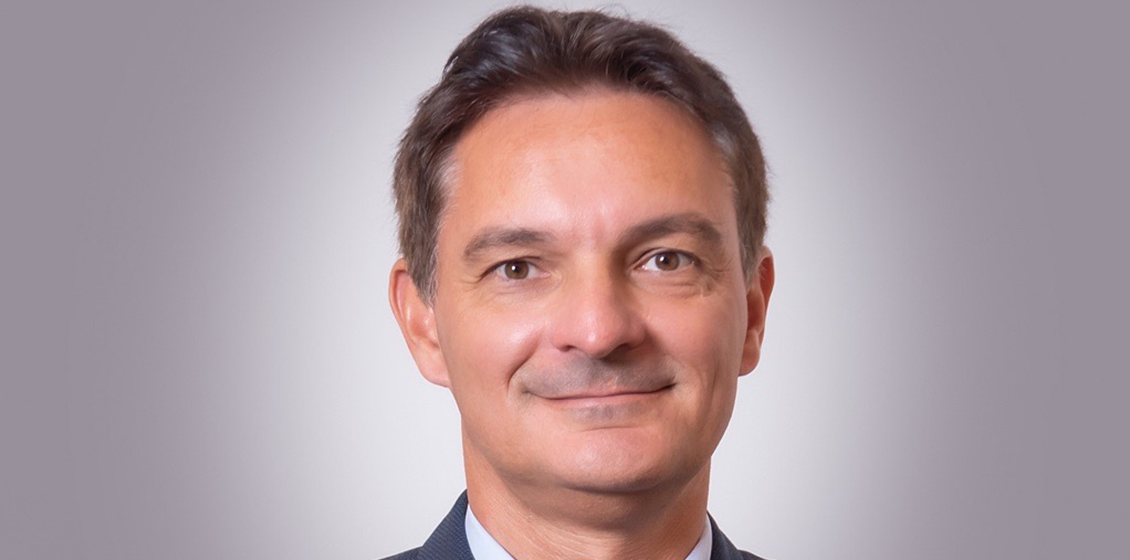
A shift is required in how the profession of a travel advisor is perceived in order to attract and develop the next generation of talent, according to Virtuoso Chairman and CEO Matthew Upchurch.
“We need to make the profession of being a travel advisor a financially rewarding career that compares to being a professional like an attorney,” he told the Virtuoso ANZ Forum held in Perth recently, pointing out that personal fulfillment is just as important as compensation.
This mindset, he believes, is key to drawing talented individuals with the necessary skills. “What we’re recruiting for today is individuals that can build up a clientele, not just those who are here to book product,” he explained, underscoring the shift in the industry towards relationship-building and personalised service.
Drawing on real-world examples, he shared stories of professionals transitioning from different careers into the travel industry. “Josh Alexander (of Protravel International) was the first attorney I ever met that quit his law practice to become a Virtuoso Travel Advisor,” he noted, highlighting the success of professionals who are advocates, problem solvers, and experts in listening – skills that are highly transferable to travel advising.
He also pointed out that while historically, educators were among the top career backgrounds for advisors, many former lawyers now dominate the profession. “The number one previous job of a travel advisor is now lawyers,” he remarked, explaining that their ability to solve problems and build a clientele makes them perfect for the role.
Looking forward, Upchurch stressed the importance of blending both technical and creative skills highlighting the combination of right-brain creativity with left-brain technical expertise as a formula for success. “It’s not one plus one equals two. It’s exponential,” he said.
Virtuoso Senior Vice President, Global Operations Michael Londregan echoed the call for greater focus on recruitment, with the industry having suffered a “huge” loss of talent during the pandemic.
“People have really got to start thinking about recruiting,” he told LATTE. Dispelling age-old stereotypes about the nature of working as a travel advisors is critical to attract ambitious and well-connected young people to the industry – for example, “sitting behind a GDS computer in a shop for eight hours a day”.
“We need to find a way to take our incredibly flexible, engaging work opportunity and get it in front of these people that are already good at what we need them to do, which is connect to people and give them advice,” Londregan said. “And we are not doing that well as industry, and we should be.
“We’ve got to find a way to get these really powerful, connected people in the world to be attracted to our industry. That’s how we win.”
Meanwhile, Philip Smethurst, Co-Founder and Director of Bicton Travel, said the company is adopting a long-term approach to tackle this particular challenge in a conversation with LATTE.
“Business has never been better but the biggest problem is people,” he said. “We could take on probably 20 more advisors tomorrow and they’d be busy. That’s the only thing that’s holding us back and limiting our growth.”
As a result, he has been hiring junior staff and training them up. “That’s one to two-year commitment though – you can’t just take on a junior and expect them to be an advisor within even a space of months,” he said.
In addition to this tactic, he is looking at hiring support staff for his advisors. “While we can’t really recruit full time advisors that easily, it is a lot easier to recruit for admin and support roles, so that’s what we’re looking at.”